Body damage is not always as simple as it looks. A panel that seems like it should be replaced can sometimes be repaired cleanly, and a panel that looks minor can hide stretching or structural changes that make repair a bad bet. The goal is not to choose the fastest option but to choose the option that restores the vehicle properly and holds up over time.
The decision usually comes down to what the metal or material has been through and what it will take to bring it back.
What We Look At First During A Panel Inspection
The first step is understanding the type of panel and what it’s connected to. A bolt-on fender is a different conversation than a welded quarter panel, and plastic bumper covers behave differently than steel doors. We also look at whether damage is isolated to the outer skin or if it is pushed into mounting points, seams, or inner structures.
This is also where an inspection saves time later. If the panel is creased along a body line, stretched, or kinked near an edge, it may not return to shape without filler and heavy reshaping. If the impact reached brackets or reinforcement pieces, the fix may require more than surface work.
Damage Type That Usually Repairs Well
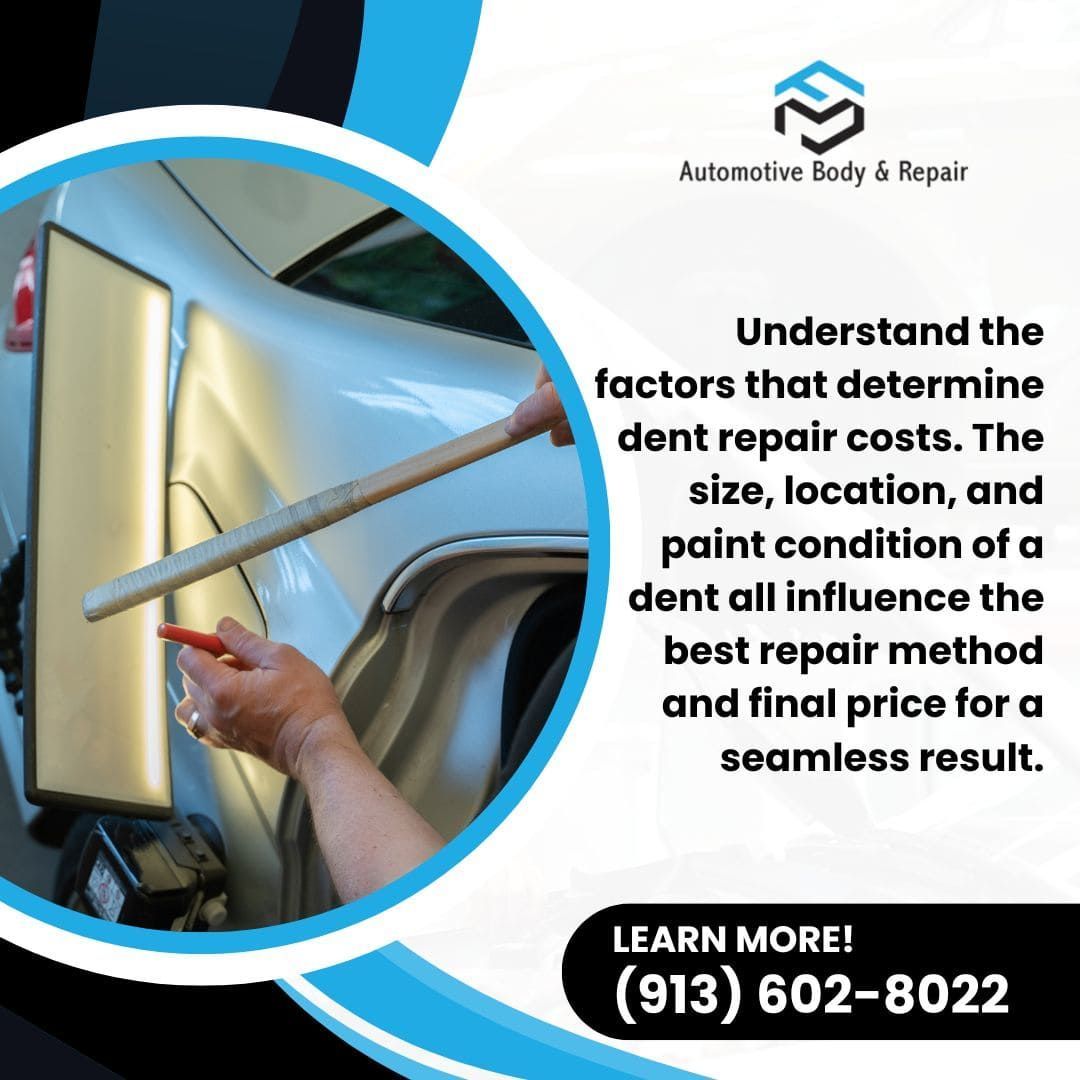
Some damage is a good candidate for repair because the panel has not been stretched too far. Shallow dents, soft waves, and light creases away from sharp body lines can often be reshaped with controlled pulling and finishing work. If the paint is mostly intact, repair can be a very clean solution.
Repair tends to be more likely when the damage is centered in a broad area and not folded at an edge. It also helps when the panel’s shape is simple, and the metal still has some memory. When the panel is repairable, the result can be strong and visually consistent without introducing extra seams or fit issues.
Damage That Pushes Us Toward Replacement
Replacement is usually the better call when a panel is heavily creased, torn, or stretched so far that it cannot be returned to its original strength and shape. If the damage is at a mounting edge, around door gaps, or near a sharp body line that defines the shape, repair can become time-consuming and less predictable. In those cases, replacement can produce a better fit and a cleaner long-term result.
We also lean toward replacement when corrosion is present under the paint, because rust can keep spreading under repair materials. If the panel has prior bodywork that is already thick or cracking, applying new bodywork on top can lead to a short-lived finish. Replacement can provide a better foundation and a more consistent final paint match.
How Access And Structure Affect The Decision
Sometimes the panel itself is repairable, but access is the problem. If a dent is backed by braces or reinforcement and there is limited room to work from behind, the repair may require more cutting, drilling, or disassembly than people expect. That added labor can make replacement more reasonable, especially on bolt-on panels.
Structure matters too. A panel can look like simple cosmetic damage while the underlying support is shifted. If gaps are off, doors do not close cleanly, or lines do not match side to side, we look deeper before deciding. A good repair plan restores alignment first, then addresses cosmetics, so the vehicle fits and drives the way it should.
Repair Vs Replacement: A Simple Comparison
If you like a clear way to think about it, here are some of the main factors we weigh. This is not a checklist you can use from across the driveway, but it shows how the decision is made. In most cases, the right choice is the one that restores strength and fit without creating future issues.
- How deep the crease is and whether the panel is stretched
- Whether the damage is near mounting edges, seams, or sharp body lines
- Whether the paint is intact or broken through to bare metal
- Whether access is available to shape the panel correctly
- Whether there is hidden damage behind the panel
- Whether previous repairs or corrosion are present
This is why two dents that look similar can have totally different repair plans. A small-looking crease in the wrong spot can be harder than a larger dent in a flat area. The goal is a repair that looks right now and stays right later.
How We Keep The Repair Durable And Consistent
When we repair a panel, the focus is on returning the metal to shape as much as possible before finishing. That keeps filler use minimal and helps the panel hold its form through heat and vibration. We also pay attention to panel gaps and body lines, because those are the details that make a repair look factory-correct.
When a panel is replaced, the focus is on proper fitment and corrosion protection. Proper installation, sealing, and surface prep are what keep a replacement panel from creating future rust or paint issues. This is where regular maintenance still matters, because keeping drain paths clear and addressing chips early helps preserve any repair work long term.
Get Auto Body Repair In Shawnee & Merriam, KS With F & M Automotive Body & Repair
If you’re dealing with a damaged panel and want a clear recommendation, F & M Automotive Body & Repair can inspect the damage, explain whether repair or replacement makes more sense, and walk you through the options.
Schedule a visit when you’re ready, and we’ll help you get the panel fixed the right way.