A steering wheel shake at highway speeds can make an otherwise normal drive feel stressful. The car may feel fine around town, then once you reach 55, 60, or 70 mph, the wheel starts trembling in your hands.
That kind of vibration usually has a reason.
Sometimes the problem is simple, like a tire balance issue. Other times, the shake comes from uneven tire wear, a bent wheel, worn suspension parts, brake problems, or something loose in the steering system. The speed at which the vibration appears is one of the first clues.
Tire Balance Is A Common Cause
When a tire and wheel assembly is out of balance, it does not spin evenly. At lower speeds, you may not feel much. At highway speeds, that uneven weight can create a vibration through the steering wheel, seat, or floor.
A front tire balance issue often shows up in the steering wheel. A rear tire issue may feel more like a vibration through the seat. The shake may start at a certain speed, worsen for a while, and sometimes fade slightly at higher speeds.
Balancing is often needed after new tires are installed, but it can also be needed later if a wheel weight falls off, a tire wears unevenly, or the tire shifts on the wheel.
Uneven Tire Wear Can Create Vibration
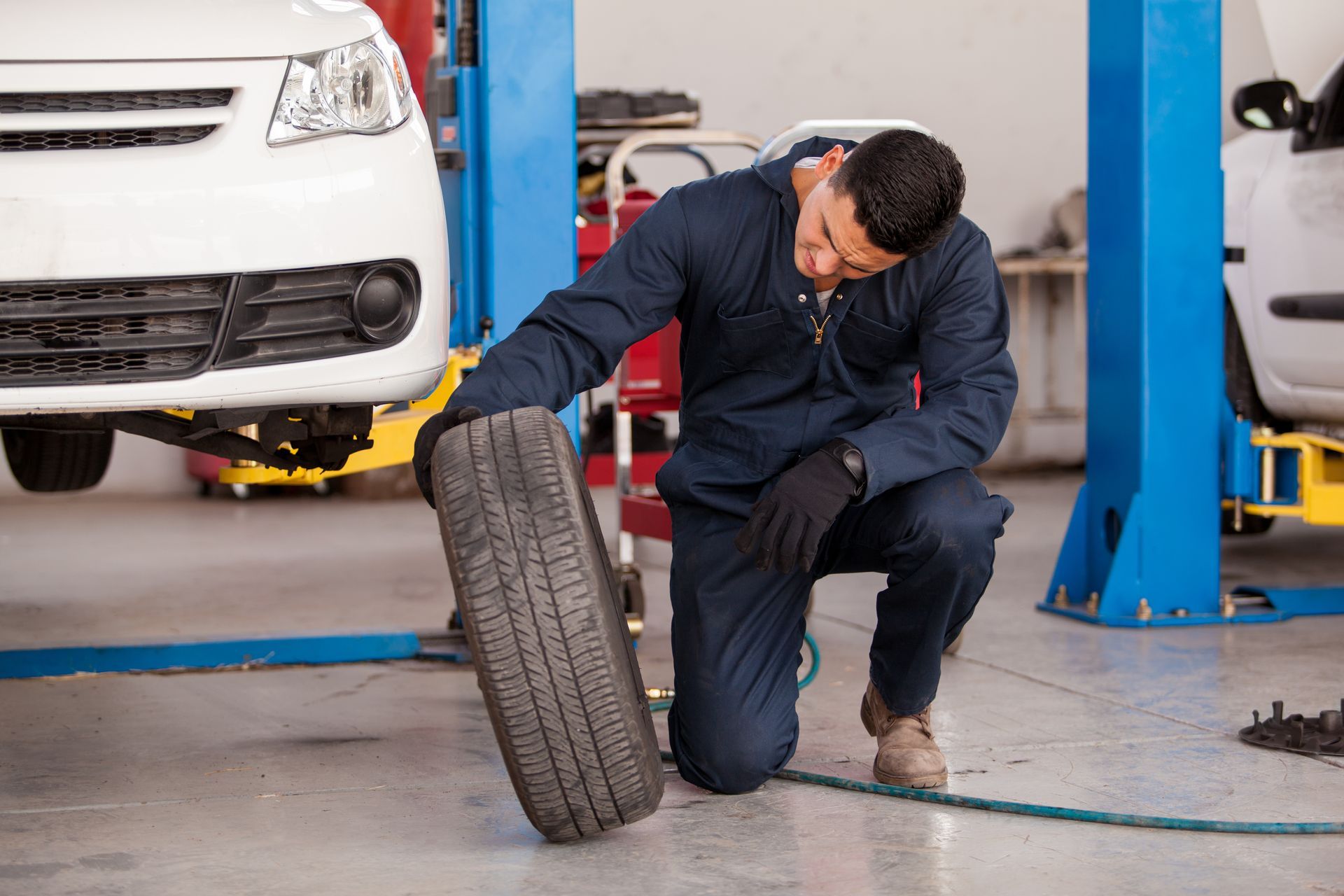
Tires do not have to be bald to cause a shake. Cupped, choppy, feathered, or uneven tread can make the tire roll roughly at higher speeds. The vibration may come with a humming or growling sound that changes with road speed.
Uneven wear can be caused by poor alignment, low tire pressure, worn shocks or struts, loose suspension parts, or skipped rotations. The tire may look fine from the outside, while the inner edge is badly worn.
During regular maintenance, the full tread should be checked, not just the outer shoulder. Tire wear patterns can tell you whether the shake is only a tire issue or a sign of something else underneath the vehicle.
A Bent Wheel Or Damaged Tire
A pothole, curb hit, or road debris can bend a wheel or damage a tire internally. Sometimes the damage is obvious. Other times, the wheel looks normal until it is spun on a balancer or checked closely.
A bent wheel can cause a steady vibration that gets worse with speed. A tire with a separated belt or internal damage may cause a thumping, pulling, or vibrating sensation that persists after balancing.
If the shaking started right after a road impact, mention that during service. That detail can help the technician focus on the tire, wheel, suspension, and alignment areas first.
Alignment Problems Can Add To The Shake
Poor alignment usually causes pulling or uneven tire wear, but it can also contribute to vibration when the tires have already started wearing incorrectly. If the wheels are not pointed or angled the way they should be, the tires may scrub across the road instead of rolling cleanly.
A crooked steering wheel, pulling to one side, or tires wearing on one edge are common alignment clues. If a suspension part is worn, the alignment may not hold even after adjustment.
This is why alignment checks should include the steering and suspension. Adjusting the angles will not solve the problem for long if loose parts still allow the wheel to move around.
Worn Steering Or Suspension Parts
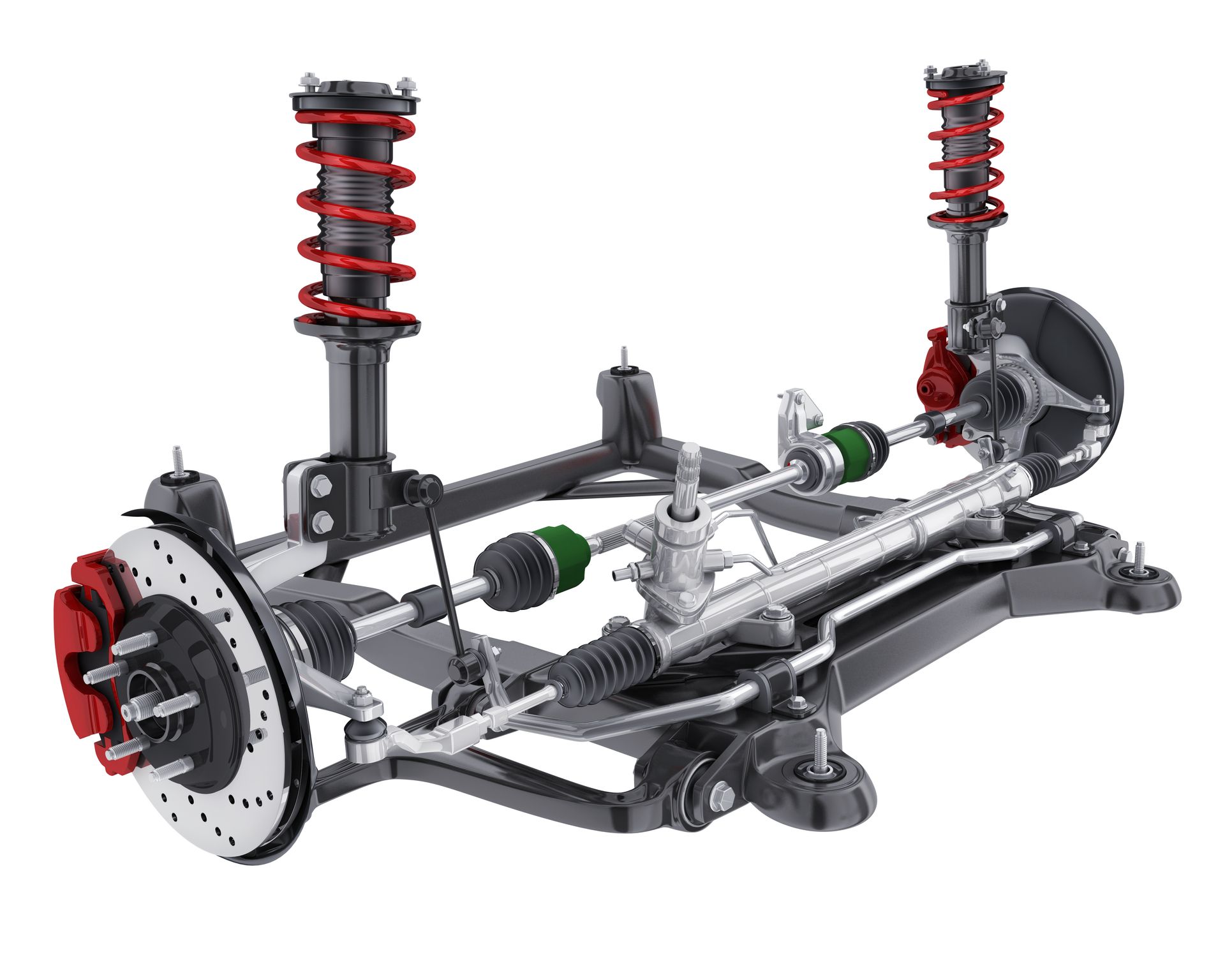
Tie rods, ball joints, control arm bushings, wheel bearings, shocks, struts, and other front-end parts can all affect how the vehicle feels at highway speeds. If a part has too much play, the wheel may not stay stable as road speed increases.
A worn part may also create clunks, wandering, loose steering, uneven tire wear, or a shake that feels worse on rough pavement. Some problems show up more during braking or turning, while others appear only at higher speeds.
A proper inspection can separate a tire balance issue from a steering or suspension concern. Replacing tires or balancing wheels will not fix a vibration if a worn part is allowing movement underneath.
Brake Problems Can Feel Like A Highway Shake
If the steering wheel shakes mainly when you brake at highway speeds, the brakes may be involved. Rotors with uneven thickness, heat spots, pad deposits, or surface damage can create vibration during braking.
This type of shake usually does not happen while cruising. It appears when you slow down, especially from higher speeds or after the brakes get hot.
Brake vibration should be checked with the pads, rotors, calipers, wheel bearings, and suspension. Several parts can affect what you feel through the steering wheel, so the timing of the shake is important.
Get Steering Wheel Shake Service In Shawnee, KS, With F & M Automotive Body & Repair
If your steering wheel shakes at highway speeds, F & M Automotive Body & Repair in Shawnee, KS, can check the tires, wheels, balance, alignment, brakes, steering, and suspension parts to find the cause.