Engine oil starts working the moment you start the car. It has to circulate through bearings, camshafts, timing components, and other moving parts while carrying heat and contaminants away from areas that see constant friction.
The problem with overdue oil changes is that the engine can still feel completely normal while the oil is losing its ability to do those jobs well. There may be no warning light, no unusual noise, and no obvious drop in power. Damage tends to build gradually, especially when the same oil stays in service far beyond the interval the engine was designed around.
Old Oil Loses Some of Its Protective Ability
Fresh engine oil contains additives that help control deposits, reduce wear, suspend contaminants, and protect internal surfaces from corrosion. Those additives do not last forever.
As the oil goes through repeated heat cycles, it oxidizes and becomes contaminated with combustion byproducts, moisture, and microscopic particles. The oil may thicken, lose some of its protective qualities, or become less effective at keeping deposits suspended.
At our shop, we look at more than the oil's color. Dark oil is not automatically bad because modern oils are designed to collect contaminants. Service history, mileage, oil level, and the manufacturer's required interval tell us much more.
Sludge Can Restrict Oil Flow
When oil stays in an engine far too long, deposits can begin forming in areas where oil moves slowly or where heat is especially high. Over time, those deposits can turn into thick sludge.
Sludge can collect in the oil pan, valve covers, small passages, and around timing components. If enough builds up, oil may struggle to reach parts that depend on a steady supply.
This becomes especially concerning on engines with hydraulic lifters, variable valve timing systems, or timing-chain tensioners that operate using engine oil pressure. A small restricted passage can cause noise, warning lights, timing faults, or poor engine performance even when the engine still has plenty of oil in the crankcase.
Bearings and Other Moving Parts Can Wear Faster
Engine bearings rely on a thin pressurized film of oil to keep metal surfaces separated. Camshafts, piston components, and other internal parts need similar protection.
As oil breaks down or becomes heavily contaminated, that protective film can become less effective. Microscopic wear increases first. The driver may not feel anything until the clearance between parts has grown enough to create low oil pressure, knocking, or another mechanical symptom.
Once a bearing or camshaft surface is physically worn, changing the oil will not restore the missing metal. That is one reason regular maintenance costs much less than repairing an engine that has been running with poor lubrication for a long time.
Turbocharged Engines Are Especially Sensitive
Turbochargers put extra heat into the oil. The turbo shaft can spin at extremely high speeds, and engine oil must lubricate its bearings while carrying heat away from the center housing.
Old oil can leave deposits in the turbocharger's small oil passages or drain system. If oil flow becomes restricted, the turbo may develop bearing wear, oil leakage, or noise.
This also shows why the correct oil specification matters. Extending the interval while using oil that doesn't meet the engine's requirements can make the situation worse. Turbocharged engines are not the only ones that suffer from neglected oil, but they leave less room for careless service habits.
Low Oil Makes an Overdue Service More Serious
Going too long between changes becomes more dangerous when the engine is also consuming or leaking oil. Some engines use a measurable amount of oil between services, especially as mileage increases.
If the owner never checks the level, the engine can spend part of that extended interval running a quart or more low. Less oil means less reserve capacity for lubrication and heat control.
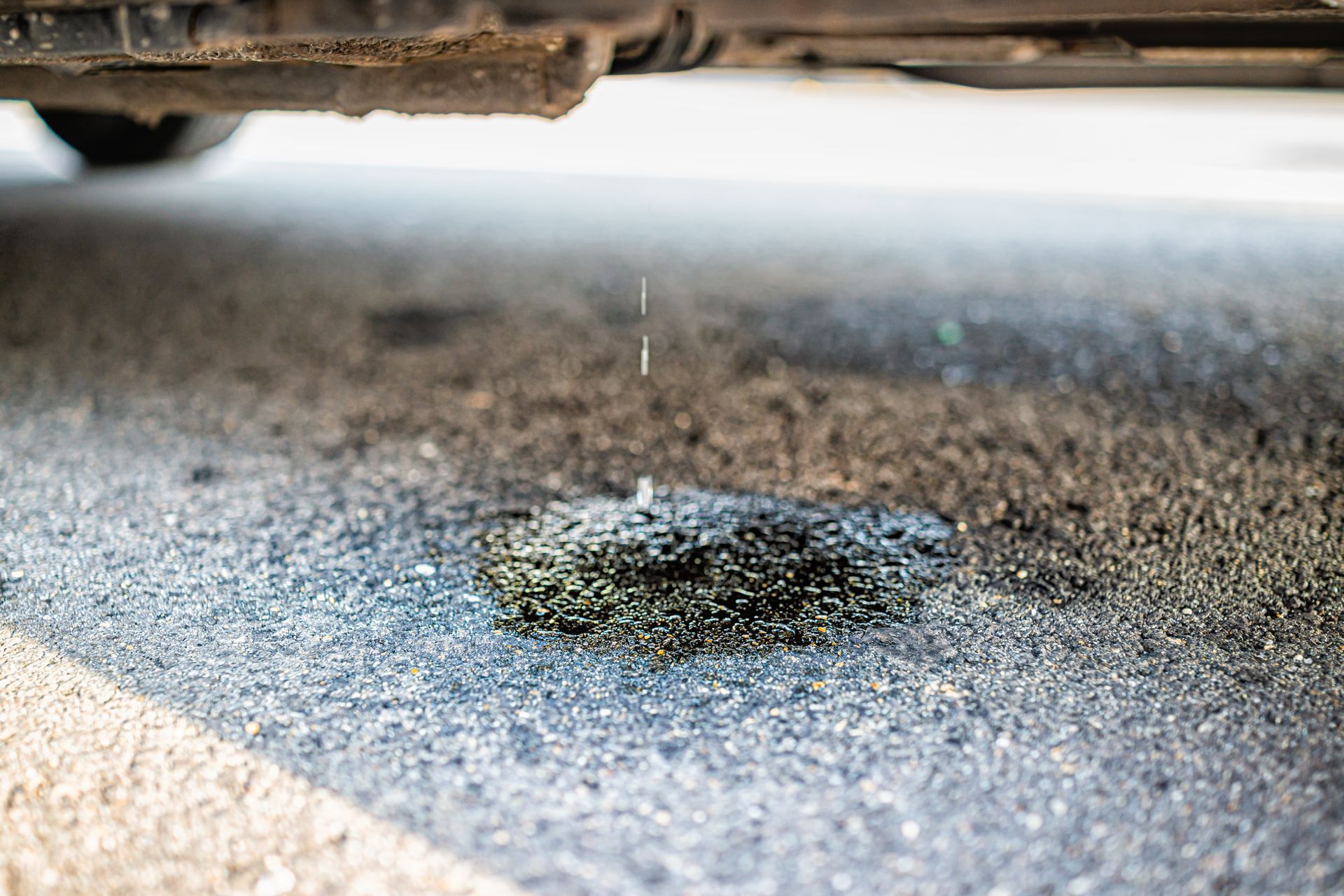
During an inspection, we check for leaks and ask whether the level has needed topping off between visits. If the oil level repeatedly drops, the answer isn't simply to stretch the next oil change farther. We want to know where the oil is going.
Warning Signs Can Appear After Damage Has Started
Some overdue engines develop ticking, rattling, low oil pressure warnings, rough running, or timing-related fault codes. Others give very little warning before a more serious problem appears.
A new tapping sound after startup can point toward parts that are not receiving oil quickly enough. A flickering oil-pressure light can indicate a much more urgent problem. If that warning stays on while the engine is running, shut the engine off rather than continuing to drive.
The absence of symptoms does not prove the oil is still in good condition. The safest approach is to follow the service interval recommended for the vehicle and adjust for severe driving conditions when the manufacturer calls for it.
The Best Oil Change Interval Depends on the Vehicle
No universal mileage fits every engine. Oil type, engine design, driving habits, temperature, trip length, towing, and idling all influence how the oil ages.
Some vehicles use an oil-life monitoring system that considers operating conditions rather than mileage alone. Others list a fixed mileage and time interval in the owner's manual. We follow the schedule for the exact vehicle instead of applying the same number to every car.
If you have already gone well past the interval, changing the oil and filter is the right place to start. If you hear noises, see warning lights, notice heavy sludge, or have oil-pressure concerns, those symptoms should be diagnosed rather than assuming fresh oil will undo existing wear.
Get Engine Oil Service In Shawnee, KS, With F & M Automotive Body & Repair
If your oil change is overdue or you are unsure how long the current oil has been in the engine, F & M Automotive Body & Repair in Shawnee, KS, can check the oil level, service history, and engine condition before problems get more expensive.