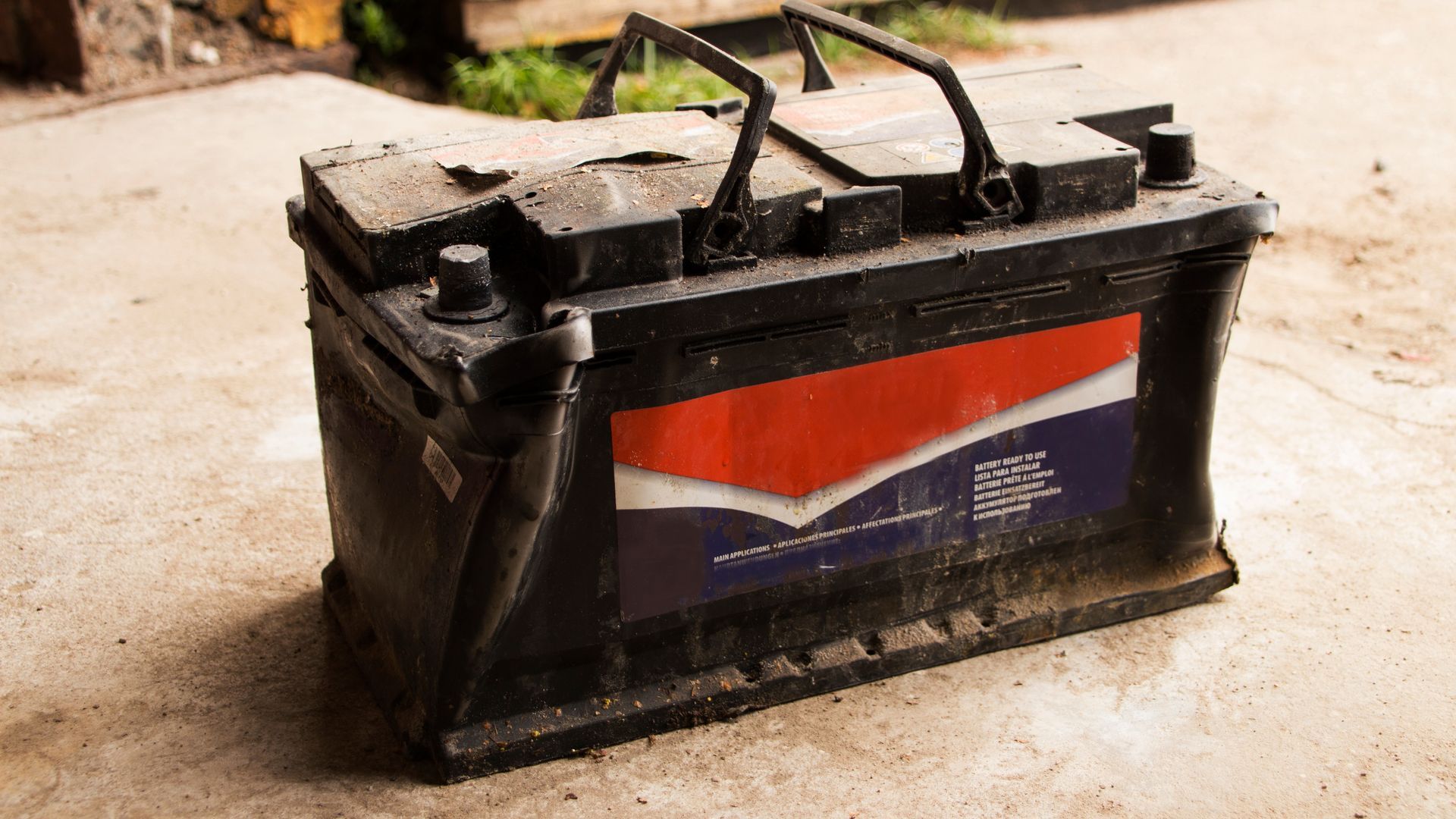
The new battery solved the starting problem until the car sat for a weekend. Monday morning brings the same slow click and dark dashboard. After a jump, it runs normally, which makes buying another battery feel like a very expensive way to repeat the experiment.
The missing information is what happens after you switch the car off. Some electrical activity is expected, but a device that remains powered or repeatedly wakes other electronics can consume the reserve needed for the next start. Finding that activity requires watching the vehicle while it truly rests.
Parked Cars Still Use Electricity
A clock, alarm, keyless-entry receiver, and certain control modules need small amounts of power while parked. The battery supplies that energy because the alternator isn't operating. Electronics take time to finish shutdown after you switch off the ignition. Current measured immediately after closing the door is therefore not necessarily abnormal.
Parasitic draw becomes a problem when the ongoing demand exceeds what is appropriate for the vehicle and its operating state. No single current limit or sleep time applies to every car. An occasional scheduled wake-up differs from a module staying active all night, so you need to evaluate both the amount and duration of the draw.
A Modest Draw Adds Up Over Time
Electrical consumption is cumulative. For example, a constant quarter-amp draw uses 12 amp-hours over 48 hours. That doesn't predict exactly when a particular car will fail to start, but it shows why a small device can become significant over a weekend. The battery's starting charge and condition affect how much reserve is available.
Cold weather, an aging battery, and repeated short trips can make the no-start happen sooner. The battery doesn't have to be completely empty to struggle to start the engine. It can still run a radio or interior light while not having enough power to crank.
Hidden Lights and Accessories Deserve Attention
A trunk or glove-box lamp can stay on behind a closed lid when its switch isn't working correctly. Aftermarket cameras, audio equipment, tracking devices, and chargers can also remain supplied when their wiring bypasses normal shutdown. A small device connected to a diagnostic socket is easy to overlook because it's out of sight below the dashboard.
Removing an accessory from consideration can help, but it should be done deliberately rather than disconnecting everything at once. At our shop, we ask what was installed before the problem began and how the vehicle is parked. An accessory designed to run while parked isn't automatically defective; its settings and power management might simply be unsuitable for that use.
Some Draws Come From Repeated Wake-Ups
The drain can be intermittent rather than constant. A faulty latch input, communication problem, or moisture-affected module can wake a network that had already shut down. That can explain why the car survives several days once, then loses enough charge overnight on another occasion.
Opening a door, pulling a fuse, or using a scan tool can itself wake electronics. A valid test must account for those disturbances. Logging current over time and using methods that avoid interrupting the circuit can be more useful than repeatedly removing the battery cable.
Verify the Battery and Charging System First
A weak battery or poor charging can imitate an excessive parked draw. Before tracing individual circuits, check the battery's state of charge and condition. Cable connections and charging performance also belong in the assessment. Otherwise, a normal standby load could be blamed for a battery that was already nearly discharged when the car was parked.
A battery-drain inspection then measures current after the required shutdown period. We trace the active circuit and confirm the responsible component before recommending repair. Connecting a handheld meter incorrectly or attempting to crank through its current-measuring circuit can damage equipment and create a hazard. Leave that work to someone with suitable tools and a clear test procedure.
Record the Parking Pattern Instead of Replacing Parts
Write down how long the car sat, whether it was locked, which accessories were connected, and whether the weather was wet. Also note recent battery, audio, alarm, or body work. These details can reveal a repeatable sequence that won't be obvious from the discharged battery itself.
Include battery condition in regular maintenance, but don't treat repeated jump-starts as a workable long-term plan. Deep discharge can shorten a starting battery's life even after you fix the original drain. A suitable maintainer can help a vehicle used infrequently, but it shouldn't conceal an unresolved electrical fault. The final check should confirm both normal shutdown behavior and a battery capable of holding a useful charge.
Get Battery Drain Diagnostics In Shawnee, KS, With F & M Automotive Body & Repair
F & M Automotive Body & Repair in Shawnee, KS, can evaluate repeated battery discharge and trace excessive electrical draw while parked. Bring your notes about how the vehicle was left.