The low-oil message returns before the next oil change, so you add another quart. A few weeks later, you're doing it again. Without the mileage and amount recorded, it is hard to tell whether the rate has changed or the engine has always used oil at that pace.
An oil consumption test puts a number on the loss. It establishes how much oil the engine uses over a measured distance under controlled testing conditions. The next question is where that oil went, and it sometimes requires more than the consumption measurement itself.
An Oil Consumption Test Begins With a Known Starting Level
The technician checks the engine's requirements, verifies the correct lubricant, and establishes the starting oil quantity or level using the prescribed procedure. Some manufacturer tests use measured weight or other controlled methods. Others rely on a defined fill and repeatable level checks over a specified driving distance.
The starting point needs to be recorded accurately. An engine that was underfilled at its last service appears to lose oil sooner even if its consumption hasn't changed. An overfill creates a different problem. The test should start with the amount the engine is supposed to contain, not an assumption based on the last oil-change invoice.
Mileage and Oil Added Show the Consumption Rate
Distance driven and oil used are recorded together. For example, an engine using 1 quart over 2,000 miles loses oil at a different rate than one using 1 quart over 500 miles. Those examples illustrate the calculation; they aren't universally acceptable limits.
The result is compared with the manufacturer's procedure and guidance for that engine, along with the symptoms and history. A threshold used for one model shouldn't become a general rule for every car. The technician also needs to know whether the vehicle's use changed during the test, such as more towing or prolonged high-speed travel.
External Oil Leaks Need Checking Alongside Consumption
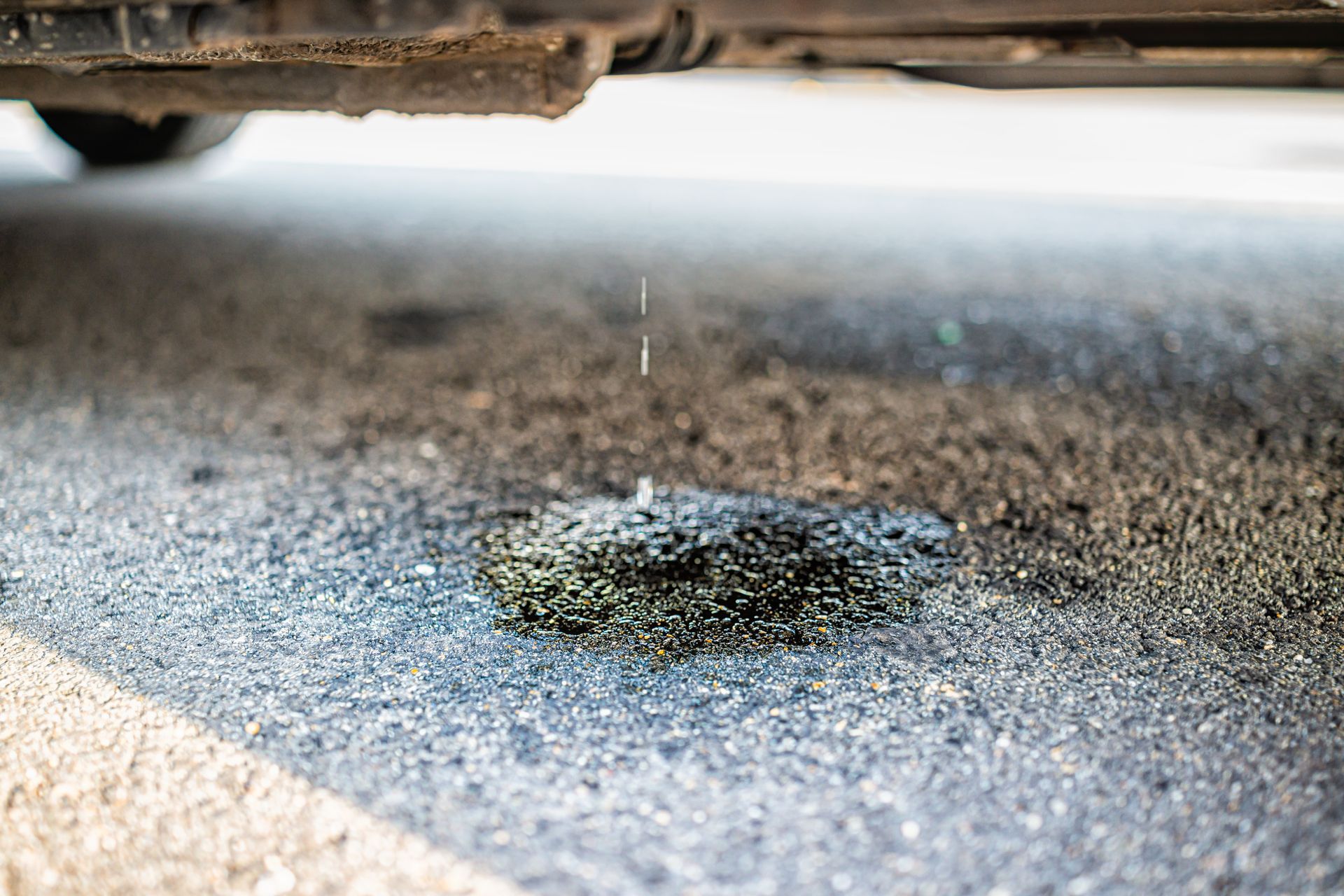
Oil leaving the engine doesn't always reach the driveway. An undertray can catch it, airflow can spread it along the underside, and hot surfaces can burn some of it away. Gaskets, seals, filters, and drain-plug areas need review before the loss is described as internal oil burning.
A leak may need cleaning and rechecking to identify its source. Finding wet oil at the lowest point doesn't establish where it started. If a leak is repaired before measurement continues, the test record should explain that change so the before-and-after rate makes sense.
Crankcase Ventilation Can Draw Oil Into the Intake
Crankcase ventilation moves blow-by gases through a controlled route. A failed pressure-regulating valve, damaged separator, or abnormal crankcase pressure can carry more oil into the intake than intended. The engine then burns that oil without necessarily leaving a puddle outside.
Testing follows the engine's design, including pressure readings and inspection of the intake route where required. A light oil film in certain hoses isn't automatically a failed turbocharger or engine. The amount, location, symptoms, and measured pressure need to be considered together before a repair is recommended.
Valve Seals, Piston Rings, and Turbochargers Need Different Checks
Oil can enter combustion through worn valve seals or problems involving piston rings and cylinder condition. Turbocharged engines add another possible leakage path. Smoke after startup, during acceleration, or under specific operating conditions helps you choose the next checks.
Compression testing, leak-down checks, plug inspection, intake examination, or a borescope may be used when the evidence points that way. None should be described as automatically required for every oil top-off. The consumption test confirms the rate; follow-up findings identify the repair that is supported.
Keep the Oil Consumption Test Record Consistent
During the test, record:
- The mileage at each check
- The amount and specification of oil added
- Any visible leakage or burning smell
- Warning messages or new engine noises
- Unusual loads or changes in driving
- Any repair or oil change completed during the test
Follow the checking instructions and return at the agreed point. If oil must be added sooner to maintain the required level, document it and contact the shop. Protecting the engine takes priority over reaching a mileage target with too little oil.
Low Oil Pressure Requires a Different Response
A level reminder and an oil-pressure warning aren't the same message. An oil-pressure warning while the engine is running means you should stop safely and shut the engine off. Continuing the test or driving home before checking that warning risks severe internal wear.
A recorded consumption rate is most helpful when the engine is otherwise being used within safe limits. New knocking, overheating, or rapid oil loss changes the plan and should be reported immediately. Don't keep driving simply to produce another measurement.
Get Oil Consumption Testing in Shawnee, KS, With F & M Automotive Body & Repair
F & M Automotive Body & Repair in Shawnee, KS, can review repeated oil top-offs, check for leaks, and discuss an oil consumption test. Bring the service history and any mileage-and-quantity records you already have.
Call us to schedule oil consumption testing or an engine oil-loss inspection.